

Running a business online used to mean long nights, endless tabs, and doing everything yourself. Today, that picture looks very different. Artificial intelligence tools are quietly taking over repetitive work, improving customer experience, and even helping businesses increase revenue without adding more staff.
This is not about sci-fi or complicated systems meant only for big companies. Many AI tools available right now are built for solopreneurs, small businesses, and growing brands. They are affordable, easy to use, and designed to work in the background while you focus on decisions that actually move the business forward.
In this article, we will walk through a practical collection of AI tools that can help you manage your business online and make money more efficiently. These are tools that real businesses are already using, not experimental concepts. If your goal is to save time, scale faster, and operate smarter, this guide is for you.
1. Chatbot AI for Customer Support and Sales
Chatbot AI has quietly become one of the most useful tools for online businesses, especially for those that do not have a full time support team. Instead of letting visitors leave when no one is around to answer questions, a chatbot stays active at all hours.

Most customers are not asking complicated things. They want to know pricing, whether a service fits their needs, or how something works. A properly set up chatbot handles those questions instantly, which keeps people on your site longer than they would otherwise stay.
What makes chatbots even more valuable is how they help with sales. They can ask simple questions, understand what a visitor is looking for, and point them in the right direction. In many cases, that small interaction is enough to move someone closer to buying.
Some chatbot tools also connect directly with payment systems or booking software. That means a casual question can turn into a paid action without any manual follow up from you.
2. AI Meeting Booking and Scheduling Assistants
Scheduling meetings sounds easy until you realize how much time it eats up. Emails go back and forth, calendars do not line up, and sometimes the meeting never happens at all.
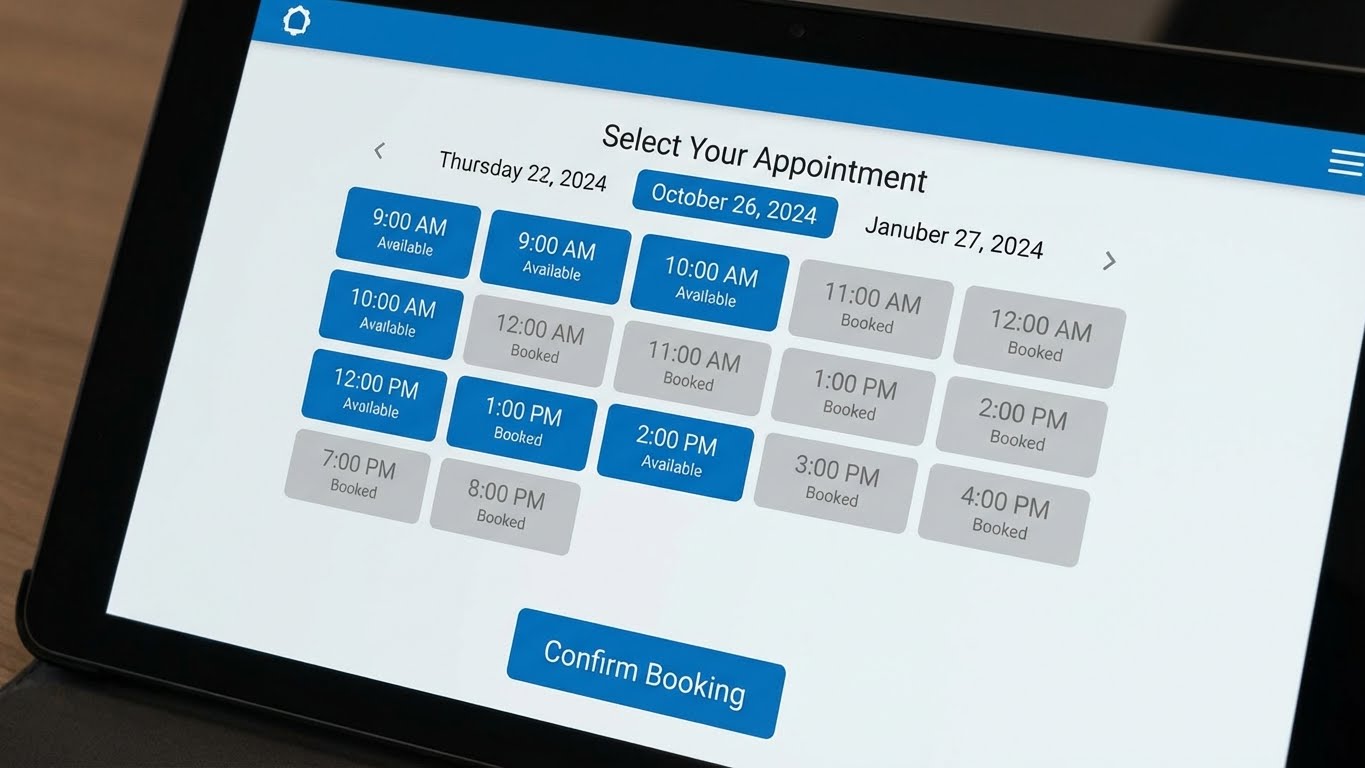
AI based scheduling tools remove that entire process. They connect to your calendar and show only the times you are actually available. Clients choose what works for them, and the meeting is booked automatically.
These tools also handle reminders and rescheduling, which makes a noticeable difference. Fewer no shows means fewer gaps in your day and less frustration on both sides.
For consultants, coaches, and freelancers, this kind of automation directly affects income. When your schedule runs smoothly, you spend more time working and less time coordinating.
3. AI Content Writing Assistants
Most people discover pretty quickly that content takes more time than expected. Writing blog posts, updating product descriptions, sending emails, and keeping social media active can easily turn into a full-time job.
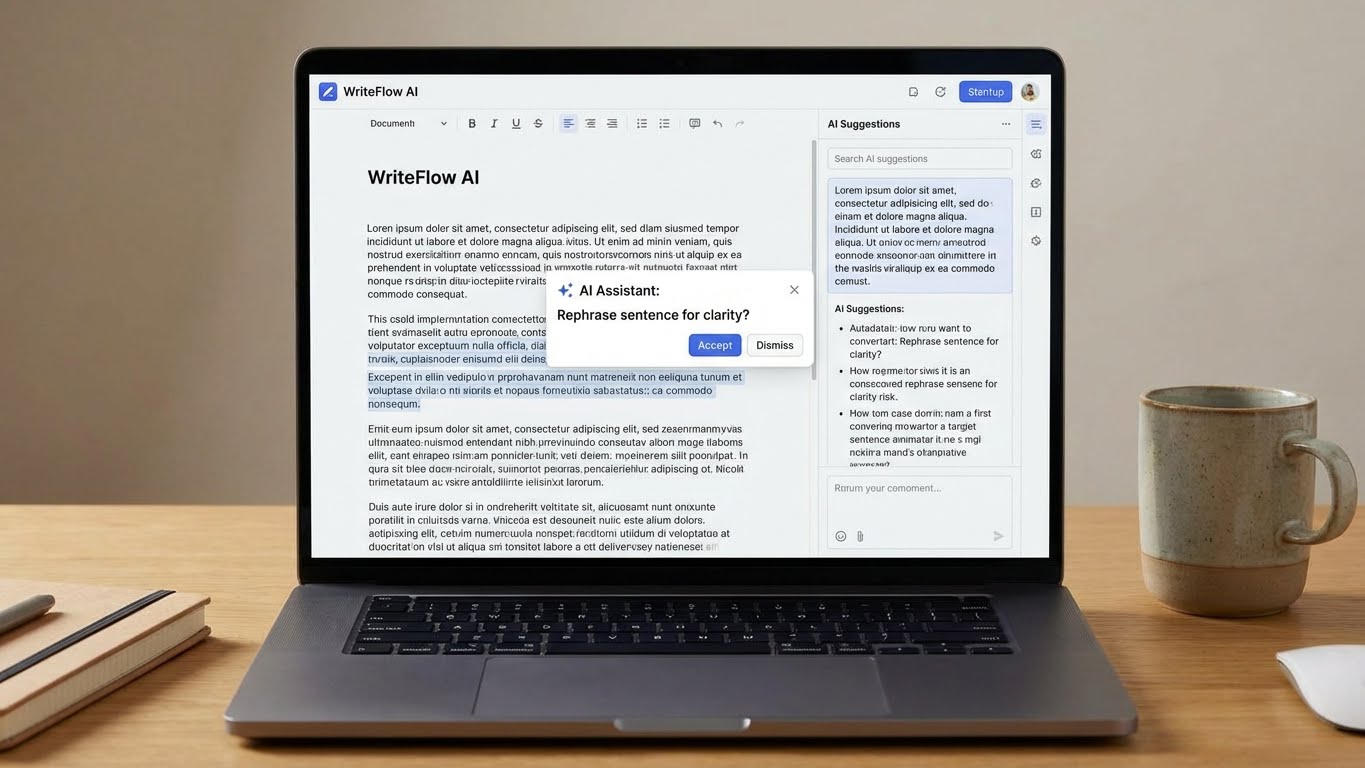
AI writing tools help reduce that pressure. They are not meant to replace your ideas or your voice. Instead, they help you get past the blank page. Drafts, outlines, and rough versions come together faster, which makes publishing feel far less exhausting.
Many business owners use these tools simply to stay consistent. Ideas often sit unfinished because there is never enough time to polish them. AI shortens that gap, making it easier to turn thoughts into published content without overthinking every sentence.
Used carefully, these tools feel less like automation and more like having an extra set of hands when you need them.
4. AI Social Media Management Tools
Keeping up with social media sounds manageable until real work gets in the way. Posting every day, responding to comments, and adjusting content for different platforms quickly becomes overwhelming.

AI social media tools help organize that chaos. From one place, you can plan posts, schedule them ahead of time, and make sure your accounts do not go silent for weeks. This alone removes a lot of stress for small teams and solo founders.
Some tools go a step further by looking at what your audience responds to most. Others help adapt captions so the same message works across different platforms without sounding copied.
The real advantage here is consistency. Social platforms reward regular activity, and AI makes it possible to keep showing up even when your schedule is full.
5. AI Email Marketing and Automation
Email continues to be one of the most reliable ways to reach customers, especially for businesses that want long-term relationships rather than one-time sales.

AI makes email marketing feel less manual. Instead of sending the same message to everyone, these tools adjust content based on how people interact with your brand. Subject lines change, timing improves, and messages feel more relevant without extra effort.
Some platforms even help draft emails when you are not sure where to start. While those drafts still need a human touch, they save time and prevent emails from being endlessly delayed.
When email feels personal rather than automated, people are far more likely to open, read, and respond.
6. AI Website Builders and Design Assistants
Creating a professional website no longer requires design skills or a large budget. AI website builders can generate layouts, suggest content, and adjust design elements automatically.
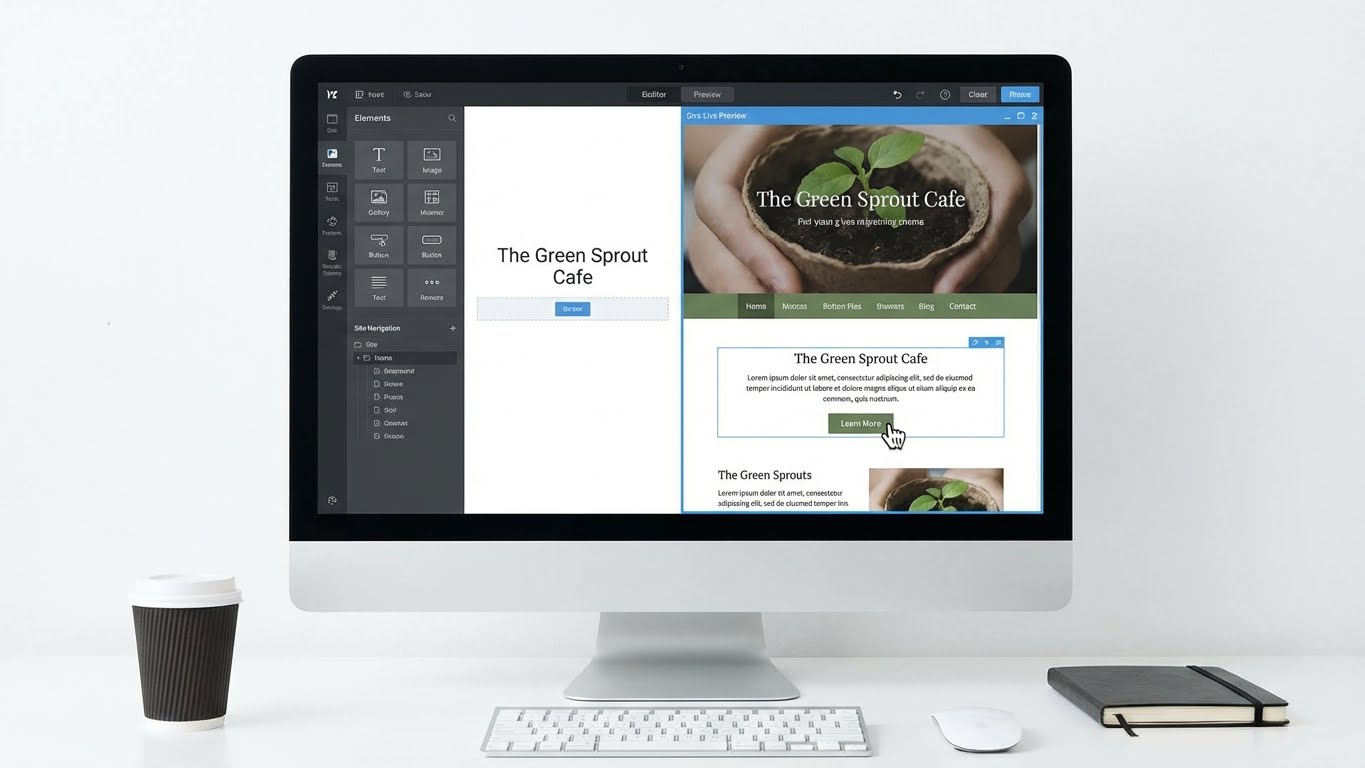
You answer a few questions about your business, and the AI creates a functional website structure. From there, you can customise text, images, and colours to match your brand.
For new businesses, this removes a major barrier to going online. A clean, functional website builds trust and helps convert visitors into customers.
7. AI Analytics and Business Insights Tools
Data is powerful, but only if you understand it. AI analytics tools turn raw numbers into clear insights.

These tools track website traffic, customer behavior, and sales patterns. They highlight what is working, what is not, and where opportunities exist. Instead of digging through spreadsheets, you get simple explanations and actionable recommendations.
Better insights lead to better decisions. Whether it is adjusting pricing, improving a landing page, or focusing on a specific audience, AI helps guide those choices.
8. AI Ad Management and Optimization
Running online ads can be expensive if not managed properly. AI ad tools help optimize campaigns across platforms like search engines and social media.
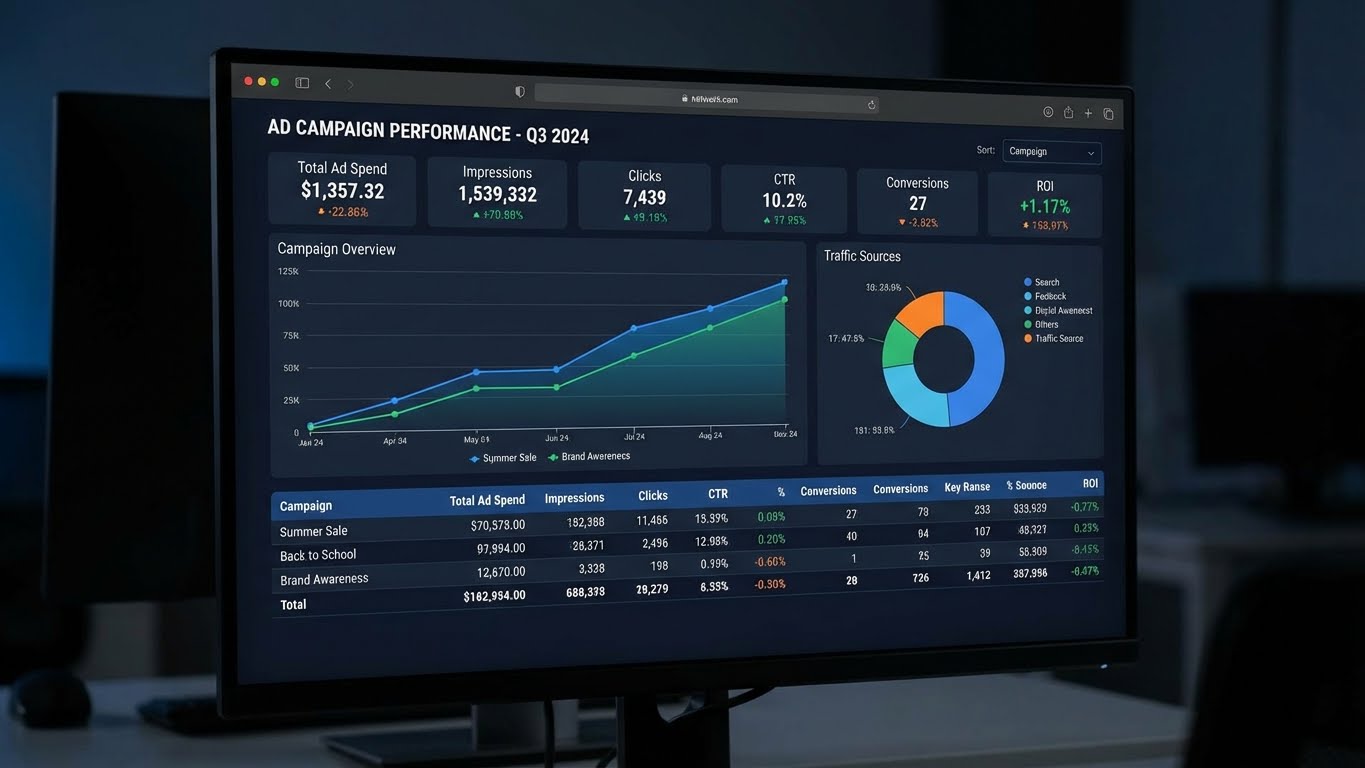
They test different headlines, images, and audiences automatically. Over time, the AI shifts budget toward the best-performing ads, reducing wasted spend.
For businesses that rely on paid traffic, this can mean more leads and sales without increasing ad budgets.
9. AI Customer Relationship Management Systems
A CRM keeps track of leads, customers, and interactions. AI-powered CRMs go a step further by predicting behaviour and suggesting next actions.
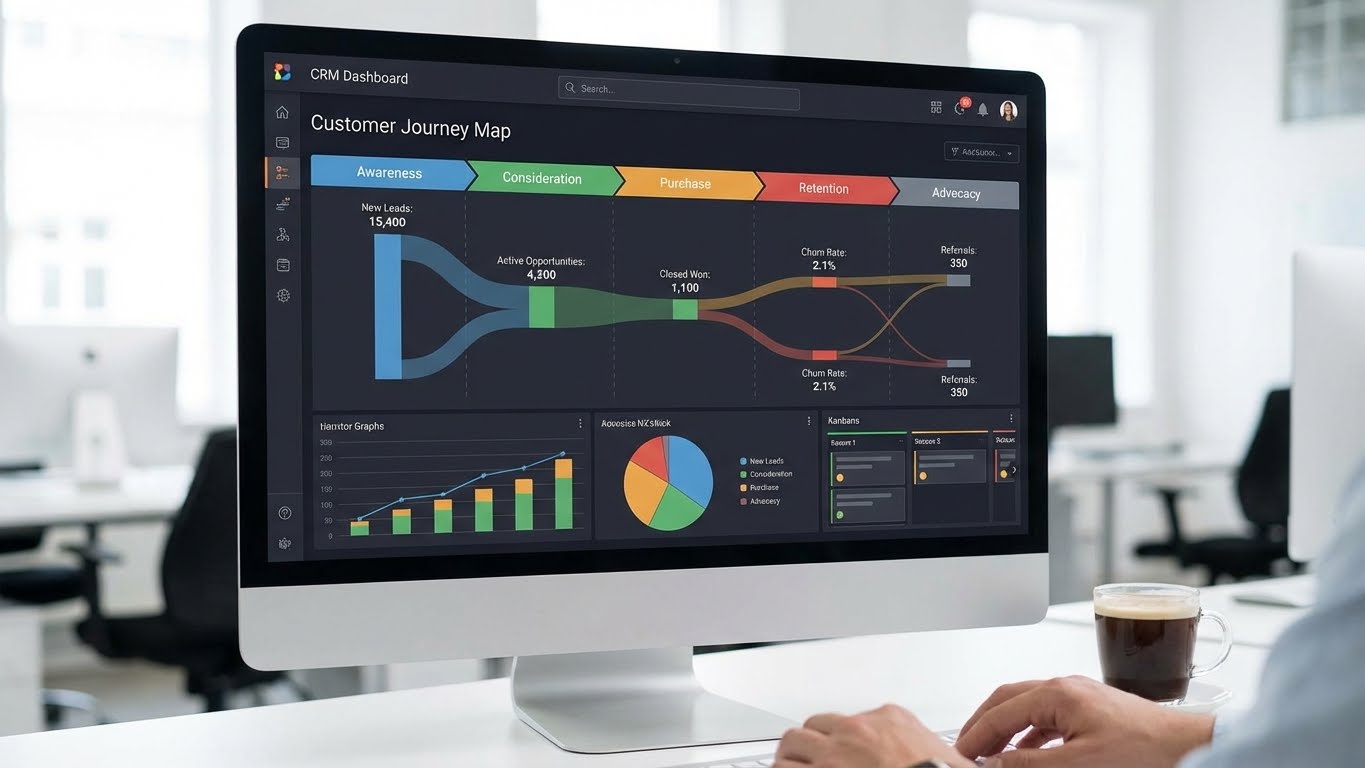
They can identify which leads are most likely to convert, remind you to follow up, and even suggest personalized messages. This makes sales efforts more focused and effective.
Strong relationships lead to repeat business, referrals, and long-term growth. AI helps manage those relationships at scale.
10. AI Financial and Pricing Assistants
Money management is another area where AI shines. Financial AI tools track expenses, forecast cash flow, and suggest pricing strategies.

Some analyze market trends and competitor pricing to help you set competitive rates. Others categorize expenses automatically and generate reports that would normally require an accountant.
Clear financial insight helps businesses avoid surprises and plan growth with confidence.
Why AI Tools Are Changing Online Business
The real power of AI is not that it replaces people. It removes friction. Tasks that once took hours now take minutes. Decisions become data-driven instead of guess-based.
When used intentionally, AI allows small businesses to operate like larger ones. You can deliver better customer experiences, respond faster, and scale without burning out.
The key is choosing tools that align with your business goals. You do not need all of them at once. Even one or two can create noticeable improvements.
Taking Your Business Online the Right Way
All these AI tools work best when your business has a strong online foundation. That starts with a reliable website and hosting service.
If you have not taken your business online yet, or if your current setup feels outdated, it may be time to start fresh. Network Solutions web hosting offers a simple way to launch your site with plans starting from just $2.39 per month.

Affiliate Disclosure: This section includes affiliate promotion. If you purchase a domain using the service mentioned, I may earn a commission at no extra cost to you. This helps support the content you’re reading.
A stable hosting platform ensures your website loads quickly, stays secure, and works smoothly with AI tools you add later. Once your site is live, you can begin layering in AI solutions to automate, optimize, and grow.
Frequently Asked Questions
1. Can AI really help small businesses make money?
Yes. AI helps reduce costs, save time, and improve customer experience. All of these directly impact profitability when used correctly.
2. Do I need technical skills to use AI tools?
Most modern AI tools are designed for non-technical users. They come with simple dashboards and guided setups.
3. Are AI tools expensive for beginners?
Many tools offer free plans or affordable entry-level pricing. You can start small and upgrade as your business grows.
4. Will AI replace human workers in my business?
AI is better viewed as support, not replacement. It handles repetitive tasks so humans can focus on strategy and creativity.
5. What is the best AI tool to start with?
Chatbot AI or scheduling assistants are often the easiest and most impactful tools for beginners.
AI is no longer a future concept. It is already shaping how online businesses operate and earn. With the right tools and a solid online presence, you can build a system that works for you even when you are not actively working.